§2 Tuġvut
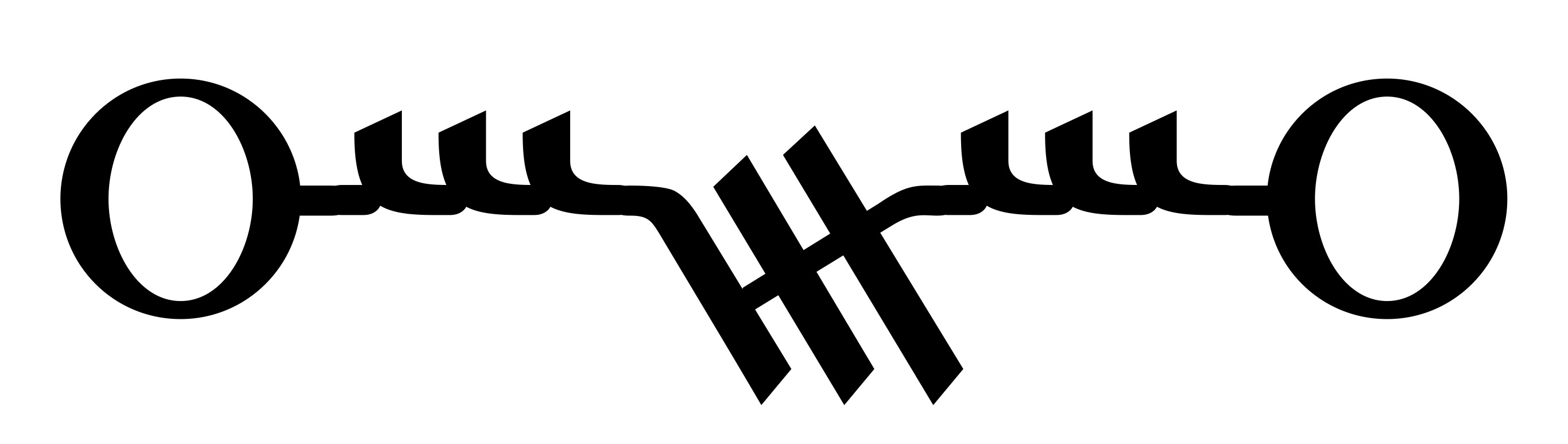
The Pine language has traditionally been written in its own script called the Tuġvut script. Its origins are not known with any certainty, but according to Pine cultural history, the script was inspired by the striations and knots in wood (cf. tuġġar 'striation in wood' and tuġv- 'engrave in wood'). There is evidence that suggests that Tuġvut may have originated from contact with Irish monks sometime between the sixth and tenth century ad, when Pine people would have been exposed to Ogham. The similarity between early Tuġvut inscriptions that were preserved on rock and wood shows that certain letters, namely the vowels a and u and the consonants s and g shared significant similarities. The fact that both scripts are written along a central line, both scripts have letters named after trees and that both scripts used horizontal notches, as well as archeological and anthropological evidence of some transient Celtic presence in Niṡkuvukki, all support the theory that Tuġvut may have been developed under the cultural influence of the Ogham script.
Parallel to standardised Tuġvut orthography, the language is also commonly written in its romanised form. Pine people call the romanised form of Pine Teulgi. This book uses mostly Teulgi, but all glossed examples will be given in both Tuġvut and Teulgi.
The Tuġvut script is written from left to right, horizontally, although it is also commonly written vertically (left-to-right, top-to-bottom). Many letters represent a single sound, and have an initial, medial and final position. Vowels are organised into two broad groups, front and back vowels. Consonants are broadly organised into 12 series. Tuġvut contains a significant number of letters that represent more than one sound. Not all letters have an isolated form, indicated by < q/>, for example:
| (1) | The isolate of a <a> is a/ |
The diphthong ai <ai> does not have an isolate form as it is composed of two letters, a/+i/
| (2) | The isolate of a <a> when followed by a period is a. |
Likewise, letters that only appear medially lack isolates – only single letter series with an initial form have isolate forms. Isolate forms are also not used when an otherwise isolated letter is followed by punctuation. Numerals do not have specific isolate forms. Single words are separated from other words by a break in an otherwise continuous baseline, to which individual letters are chained. There are a few key differences between Teulgi orthography and native Tuġvut orthography, namely a specific letter that represents <p> when it derives from the combination of <h+v> that is separate from the normal <p>. Tuġvut contains a number of unique letters that are otherwise represented by two or more letters in the romanised orthography of Pine.
§2.1 Vowels
Tuġvut has individual letters for the majority of vowels and diphthongs of Pine with some notable exceptions. Tuġvut differentiates 'base' vowels (a u i) and derived vowels (o e y ů), which are modified versions of their corresponding base forms. The vowel <e> is derived from <i>, <y> is derived from <a> and <ů, o> are derived from <u>. Some diphthongs are written with their own unique letter, called synthetic diphthongs, and other diphthongs are represented by two letters, called analytic diphthongs. Front-rounded vowels are derived from back vowels. Geminated back vowels are marked by a descending stroke, while geminated front vowels are doubled.
Tuġvut has seven short vowels, seven long vowels, long synthetic diphthongs and 6 analytic diphthongs. This means that Tuġvut uses 23 unique vowel letters, each with an isolated, initial, medial and final form.
| teulgi | isolate | Initial | Medial | Final |
| short vowels | ||||
| a | a/ | aq | qaq | qa |
| u | u/ | uq | quq | qu |
| o | u-/ | u-q | qu-q | qu- |
| i | i/ | iq | qiq | qi |
| e | i-/ | i-q | qi-q | qi- |
| y | a-/ | a-q | qa-q | qa- |
| ů | u--/ | u--q | qu--q | qu-- |
| geminate vowels | ||||
| ả | aa/ | aaq | qaaq | qaa |
| oa | u-a/ | u-aq | qu-aq | qu-a |
| ủ | uu/ | uuq | quuq | quu |
| ỏ | u-u-/ | u-u-q | qu-u-q | qu-u- |
| ỉ | ii/ | iiq | qiiq | qii |
| ẻ | i-i-/ | i-i-q | qi-i-q | qi-i- |
| ỷ | a-a-/ | a-a-q | qa-a-q | qa-a- |
| synthetic diphthongs | ||||
| eů | i-u--/ | i-u--q | qi-u--q | qi-u-- |
| au | au/ | auq | qauq | qau |
| uo | aa-/ | aa-q | qaa-q | qaa- |
| ůa | u--a/ | u--aq | qu--aq | qu--a |
| ůe | u--i-/ | u--i-q | qu--i-q | qu--i- |
| ay | aa--/ | aa--q | qaa--q | qaa-- |
| ie | ii-/ | ii-q | qii-q | qii- |
| ei | i-i/ | i-iq | qi-iq | qi-i |
| ey | i-a-/ | i-a-q | qi-a-q | qi-a- |
| analyticic diphthongs | ||||
| ua <u + a> | ua | uaq | quaq | qua |
| ui <u +i> | ui | uiq | quiq | qui |
| ai <a+i> | ai | aiq | qaiq | qai |
| oi <oa +i> | u-ai | u-aiq | qu-aiq | qu-ai |
| iů <i + ů> | iu-- | iu--q | qiu--q | qiu-- |
| ůi <ů +i> | u--i | u--iq | qu--iq | qu--i |
§2.2 Consonants
Consonants are also categorised as base or derived forms. As with vowels, some consonant clusters are represented by a single letter, while other clusters are represented by multiple letters. Consonants are arranged into 12 series that share a general shape. There is a total of 77 distinct consonants, though not all have initials or medials. Tuġvut distinguishes a regular <p> (the true <p> or pikka 'tree trunk') from a <p> which arises from the combination of <h+v> (the synthetic <p> or kuskavuġvat 'cut wing'). This means that palġġi 'builder' and půelġi 'hut (gen)' are not spelled with the same letter in Tuġvut:
| (3) | true <p> | synthetic <p> |
| qpq | qf-q | |
| palg-gi | f-u--i-Lhf-i | |
| palġġi | půelġi |
A number of words are always written with the synthetic <p>, for example all words related to ear and hearing (root in pas(k)-/pisk-):
| (4) | passi | f-assi | 'ear' |
| paski | f-aski | 'ears' | |
| piskat | f-iskat | 'listen' | |
| issipiskat | issif-iskat | 'obey' | |
| appiskan | af-fiskan | 'someone listens' |
Below is a table of Tuġvut's 12 consonantal series. Each letter has a name, and the series is usually referred to by the first letter, so the M-series is also called the maple series. Such series are called tṡuḷḷįi (stalk, family), so the M-series is called maihhįetṡuḷḷįi, and the K-series is called the kunnotṡuḷḷįi (oak family). The first syllable of most letters is used to sound out the sound, for example <l> will either be latta or simply loa. The majority of letter names are botanical or refer to the natural world.
| teulgi | letter name | isolate | Initial | Medial | Final |
| m-series | |||||
| m | maihhįi mai 'maple' | m/ | mq | qmq | qm |
| ṃ | ṃoiġġu ṃoi 'wind' | m-/ | m-q | ||
| mm | nįottamaihhįi 'long maple' | qmmq | |||
| ṃṃ | nįottaṃoiġġu 'long wind' | qm-mq | |||
| bm | kuskamaihhįi 'cut maple' | qpmq | |||
| pṃ | kuskaṃoiġġu 'cut wind' | qpm-q | |||
| n-series | |||||
| n | niḷḷįut nỉ 'silver birch' | n/ | nq | qnq | qn |
| ṇ | ṇulknu ṇủ 'birch bark' | n-/ | n-q | qn-q | |
| nį | nįiṛva nįỉ 'wooly willow' | n--/ | n--q | ||
| ṇį | ṇįaukku ṇįau 'birch forest' | N/ | Nq | ||
| nn | nįottaniḷḷįut 'long silver birch' | qnnq | |||
| ṇṇ | nįottaṇulknu 'long birch bark' | qn-nq | |||
| nnį | nįottanįiṛva 'long wooly willow' | qn--q | |||
| ṇṇį | nįottaṇįaukku 'long birch forest' | qNq | |||
| ng | tungi 'bough' | qN-q | |||
| dn | kuskaniḷḷįut 'cut birch' | qt-nq | |||
| tṇ | kuskaṇulknu 'cut birch bark' | t-n-/ | t-n-q | qt-n-q | |
| kn | kuskatungi 'cut bough' | qknq | |||
| v-series | |||||
| v | vuġvat vủ 'wing' | f/ | fq | qfq | |
| vv | nįottavuġvat 'long wing' | qffq | |||
| p <h+v> | kuskavuġvat 'cut wing' | f-/ | f-q | qf-q | |
| pp <h+v> | nįottakuskavuġvat 'long cut wing' | qff-q | |||
| į-series | |||||
| į | įaġpi įau 'awl' | j/ | jq | qjq | |
| įį | nįottaįaġpi 'long awl' | qjjq | |||
| p-series | |||||
| p | pikka pỉ 'tree trunk' | p/ | pq | qpq | |
| b | buoggu buo 'mushroom' | p-/ | p-q | qp-q | |
| pp | nįottapikka 'long tree trunk' | qppq | |||
| bb | nįottabuoggu 'long mushroom' | qp-pq | |||
| t-series | |||||
| t | tummu tủ 'cyme' | t/ | tq | qtq | qt |
| d | daįįu dai 'female bird' | t-/ | t-q | qt-q | |
| ḍ | aḍḍa 'salt' | qt--q | |||
| tt | nįottatummu 'long cyme' | qttq | |||
| dd | nįottadaįįu 'long female bird' | qt-tq | |||
| ḍḍ | nįottaḍḍa 'long salt' | qt--tq | |||
| tv | katvi kau 'rowan' | tf/ | tfq | qtfq | |
| dv | dadva 'nest' | tf-/ | tf-q | qtf-q | |
| ḍv | iḍva 'snow melt' | qtf--q | |||
| -t <ϕ> | ondotummu 'short cyme' | q0 | |||
| <θ> | kuskasaikna 'cut voice' | q00 | |||
| k-series | |||||
| k | kunna kủ 'oak' | k/ | kq | qkq | qk |
| kk | nįottakunna 'long oak' | qkkq | |||
| kv | kvaubmis kvau 'bear' | kf/ | kfq | qkfq | qkf |
| ġ-series | |||||
| g | giṡkin gỉ 'salmon' | g/ | gq | qgq | |
| ġ | ġaġis ġau 'little brother' | g-/ | g-q | qg-q | |
| ḥ | ḥakli ḥak 'acorn' | h--/ | h--q | qh--q | |
| gg | nįottagiṡkin 'long salmon' | qggq | |||
| ġġ | nįottaġaġis 'long little brother' | qg-gq | |||
| ḥḥ | nįottaḥakli 'long acord' | qh--hq | |||
| gv | gveiġvat gvei 'calling horn' | gf/ | gfq | qgfq | |
| ġv | ġveni ġvẻ 'wind' | hf/ | hfq | qhfq | |
| ḥv | ḥveḥvedni ḥvẻ 'common snipe' | qh--fq | |||
| tġ | tġuddu tġuo 'burl' | hf-/ | hf-q | qhf-q | |
| tġv | satġva tġvau 'cottonwood down' | hf--/ | hf--q | qhf--q | |
| h-series | |||||
| h | haįak hai 'ash' | h/ | hq | qhq | |
| hį | hįalkvi hįau 'reindeer' | h-/ | h-q | qh-q | |
| hh | nįottahaįak 'long ash' | qhhq | |||
| hhį | nįottahįalkvi 'long reindeer' | qh-hq | |||
| s-series | |||||
| s | siġva sỉ 'rain' | s/ | sq | qsq | qs |
| ṡ | ṡinnen ṡỉ 'lake' | c/ | cq | qcq | qc |
| ts | tsukuva tsủ 'pine' | c-/ | c-q | qc-q | qc- |
| tṡ | tṡuƛƛa tṡủ 'flower' | c--/ | c--q | qc--q | |
| ss | nįottasiġva 'long rain' | qssq | |||
| ṡṡ | nįottaṡinnen 'long lake' | qccq | |||
| tts | nįottatsukuva 'long pine' | qc-cq | |||
| ttṡ | nįottatṡuƛƛa 'long flower' | qc--cq | |||
| r-series | |||||
| r | ruoḍḍi ruo 'bonfire' | r/ | rq | qrq | qr |
| ṛ | ṛeidnu ṛei 'elm' | r-/ | r-q | qr-q | |
| rr | nįottaruoḍḍi 'long bonfire' | qrrq | |||
| ṛṛ | nįottaṛeidnu 'long elm' | qr-rq | |||
| l-series | |||||
| l | latta loa 'spruce' | l/ | lq | qlq | ql |
| ḷ | ḷuƛƛin ḷủ 'brook' | L/ | Lq | qLq | |
| lį | lįoalli lįoa 'low tide' | L-/ | L-q | qL-q | |
| ḷį | ḷįảpṇi ḷįả 'crest' | L--/ | L--q | qL--q | |
| ƛ | ƛindir ƛỉ 'star' | T/ | Tq | qTq | |
| ll | nįottalatta 'long spruce' | qllq | |||
| ḷḷ | nįottaḷuƛƛin 'long brook' | qLLq | |||
| llį | nįottalįoalli 'long low tide' | qL-Lq | |||
| ḷḷį | nįottaḷįảpṇi 'long crest' | qL--Lq | |||
| ƛƛ | nįottaƛindir 'long star' | qTTq | |||
§2.3 Numerals
Tuġvut numerals are given in the table below. A unique individual numeral exists for numbers one to nine and for zero. In addition, Tuġvut has a special hundred (<00>) and thousand (<000>), which are required to form higher numerals in the traditional way, but a modernised system is often preferred, where numbers are written without 0s for non-0 decimals. For tens, Tuġvut writes out these numbers as a sequence of individual numerals:
| (5) | traditional | modern | |||
| 13 | = | 1 + 0 + 3 | 103 | 13 | |
| 23 | = | 2 + 0 + 3 | 203 | 23 |
For hundreds, the numeral <00> is used:
| (6) | 100 | = | 1 + 00 | 100 | 100 |
| 281 | = | 2 + 00 + 8 + 0 + 1 | 200801 | 281 |
For thousands, the numeral <000> is used:
| (7) | 1000 | = | 1 + 000 | 1000 | 1000 |
| 1988 | = | 1 + 000 + 9 +00 +8 +0 +8 | 1000900808 | 1988 |
It is common for larger numbers to be written out as individual numerals, so 1988 would be 1+9+8+8 in short-hand:
| (8) | 1000900808 | = | 1988 |
For large numbers composed of <0>, <00> and <000>, such as for a million (1+000+000), the different types of zeros are separated by the punctuation mark < _>, such that 10,000 is 10_000.
| 0-9 | |
| 0 | 0 |
| 1 | 1 |
| 2 | 2 |
| 3 | 3 |
| 4 | 4 |
| 5 | 5 |
| 6 | 6 |
| 7 | 7 |
| 8 | 8 |
| 9 | 9 |
| 10-19 | |
| 10 | 10 |
| 11 | 101 // 11 |
| 12 | 102 // 12 |
| 13 | 103 // 13 |
| 20-90 | |
| 20 | 20 |
| 30 | 30 |
| 40 | 40 |
| 100-900 | |
| 100 | 100 |
| 200 | 200 |
| 1000-9000 | |
| 1000 | 1000 |
| 2000 | 2000 |
| large numbers | |
| 10,000 | 10_000 |
| 100,000 | 100_000 |
| 1,000,000 | 1000_000 |
The numeral 1 also serves as a sort of punctuation mark to isolate forms, for example to avoid initials and finals. This is also commonly used as a sort of emphasis marker or to clearly separate a word from the rest of the text, similar to how English uses italics for that purpose:
| (9) | lulli 1giki-N-i-t1 | |
| lulli gikenget | 's/he left yesterday (not today)' |
§2.4 Tuġvut Orthography
There is not an exact one-to-one correspondence between Teulgi and Tuġvut orthography. A number of rules exist that are not reflected in Teulgi.
Tuġvut uses a special form of the hyphenated <-t> called ondotummu 'short cyme', which in actuality is also the numeral 0:
| (10) | a įoa-t ka | 'right now' |
| a/ ju-a_0 ka |
Other idiosyncrasies of the Tuġvut script include the lack of a specific letter for <kį> and <gį> (both analytical clusters, <k+į> and <g+į>), and the existence of a letter for <tṇ> but not <tṇį> (also analytical, <tṇ+į>). Tuġvut does use ondotummu for the archephoneme <ϕ> in grammar books, and <θ> is generally represented by <00>, then called kuskasaikna 'cut voice'. For example, the passive medial -ϕutuθ- would be written as:
| (11) | -ϕutuθ- | q0utu00/ |
§2.4.1 Orthography of Consonant Clusters
Consonant clusters in Tuġvut usually mark initial consonants for voicelessness, which is often left out in Teulgi orthography. For example, the clusters <lġ> and <lġġ> are distinguished by the fact that <lġ> is [ɬːx], where the initial consonant is voiceless, and <lġġ> is [lːɣ], where the initial consonant is voiced. Voicing is indicated by doubling the <ġ>. In Tuġvut, the same rule applies, but the distinction between [l] and [ɬ] is maintained, such that they are written as paḷ-tġat and pal-ġġ-i.
| (12) | paLhf-at | palg-gi |
| palġat | palġġi | |
| p-a-ḷ-ġ-a-t | p-a-l-ġġ-i |
Below is a list of how every consonant cluster is written in Pine:
| labial-initial clusters | |
| [mːp] <mpp> | qmppq |
| [m̥ːp] <mp> | qm-pq |
| [mːb] <mb> | qmp-q |
| [nːt] <ntt> | qnttq |
| [n̥ːt] <nt> | qn-tq |
| [nːd] <nd> [nːdʷ~nːdᶣ] <ndv> | qnt-q qntf-q |
| [nːt͡s] <ntts> | qncc-q |
| [n̥ːt͡s] <nts> | qn-cc-q |
| [n̥ːt͡sx] <ntsġ> [n̥ːt͡sxʷ~ n̥ːt͡sxᶣ] <ntsġv> | qn-c-hf-q qn-c-hf--q |
| [nːt͡ʃ] <nttṡ> | qnc--cq |
| [n̥ːt͡ʃ] <ntṡ> | qn-c--q |
| [nːt͡ɬ] <nƛƛ> | qnTTq |
| [n̥ːt͡ɬ] <nƛ> | qn-Tq |
| [ŋːk] <nkk> [ŋːkʷ~ŋːkᶣ] <nkkv> | qN-kkq qN-kkfq |
| [ŋ̊ːk] <nk> [ŋ̊ːkʷ~ŋ̊ːkᶣ] <nkv> | qN-kq qN-kfq |
| plosive-initial clusters | |
| [pːm̥] <pṃ> | qpm-q |
| [ʔpm] <bm> | qpmq |
| [pːtn̥~ʰpn̥] <pṇ> | qpt-n-q |
| [pːn] <bn> | qp-nq |
| [pːs] <ps> | qpsq |
| [pːʃ] <pṡ> | qpcq |
| [tːpm̥~ʰpm̥] <tṃ> | qtpm-q |
| [tːn̥̥] <tṇ> | qt-n-q |
| [tːk] <tk> | qtkq |
| [kʷː~kᶣː] <gv> | qgfq |
| [kːpm̥~ʰŋ̊m̥~ʰkm̥] <kṃ> | qkpm-q |
| [kːŋ̊~ʰkŋ̊~ʰtn̥] <kṇ> | qkN-q |
| [kːs] <ks> | qksq |
| [kːʃ] <kṡ> | qkcq |
| <kːt͡ɬ> <kƛ> | qkTq |
| [kːɬ~ʰkɬ] <kl> | qkLq |
| [kːt] <kt> [kːtʷ~kːtᶣ] <ktv> | qktq qktfq |
| [kːt͡s] <kts> | qkcq |
| fricative-initial clusters | |
| [ðːm~θːpm̥] <ḍm> | qt--mq qt--pm-q |
| [ðːb] <ḍb> | qt--p-q |
| [ðːn~θːtn̥, ðːɲ~θːtɲ̊] <ḍn, ḍnį> | qt--nq qt--tt-n-q qt--n--q qt--tt-n-jq |
| [θː(k)ŋ̊] <ḍkn> | qt--knq |
| [ðːŋ] <ḍgn> | qt--N-q |
| [θːk] <ḍk> [θːkʷ~θːkᶣ] <ḍkv> | qt--kq qt--kfq |
| [ðːg] <ḍg> [ðːgʷ~ðːgᶣ] <ḍgv> | qt--gq qt--gfq |
| [θːx] <ḍġ> [θːxʷ~θːxᶣ] <ḍġv> | qt--hf-q qt--hf--q |
| [xːtn̥~ɣːn] <ġn> | qg-nq qhf-t-n-q |
| [xːpm̥~ɣːm] <ġm> | qg-mq qhf-pm-q |
| [xːp] <ġp> | qhf-pq |
| [xːt] <ġt> [xːtʷ~xːtᶣ] <ġtv> | qhf-tq qhf-tfq |
| [xːt͡s] <ġts> | qhf-c-q |
| [ɣːl] <ġl> | qg-lq |
| [xːt͡ɬ] <ġƛ> | qhf-Tq |
| [sːpm̥] <sṃ> | qspm-q |
| [sːtn̥, sːtɲ̊ ] <sṇ, sṇį> | qst-n-q qst-n-jq |
| [sːp] <sp> | qspq |
| [sːt] <st> [sːtʷ~sːtᶣ] <stv> | qstq qstfq |
| [sːt͡ɬ] <sƛ> | qsTq |
| [sːk] <sk> [sːkʷ~sːkᶣ] <skv> | qskq qskfq |
| [sːx] <sġ> [sːxʷ~sːxᶣ] <sġv> | qshf-q qshf--q |
| [ʃːp] <ṡp> | qcpq |
| [ʃːpm̥] <ṡm> | qcpm-q |
| [ʃːt] <ṡt> [ʃːtʷ~ʃːtᶣ] <ṡtv> | qctq qctfq |
| [ʃːk~ʃːc] <ṡk(į)> [ʃːkʷ~ʃːkᶣ] <ṡkv> | qckq qckfq |
| [ʃːt͡ɬ] <ṡƛ> | qcTq |
| affricate-initial clusters | |
| [t͡sːpm̥] <tsṃ> | qc-pm-q |
| [t͡sːtn̥] <tsṇ> | qc-t-n-q |
| [t͡sːt] <tst> | qc-tq |
| [t͡sːk] <tsk> [t͡sːkʷ~t͡sːkᶣ] <tskv> | qc-kq qc-kfq |
| [t͡sːx] <tsġ> [t͡sːxʷ~t͡sːxᶣ] <tsġv> | qc-hf-q qc-hf--q |
| [t͡sːt͡ɬ] <tsƛ> | qc-Tq |
| [t͡ʃːk] <tṡk> [t͡ʃːkʷ~ t͡ʃːkᶣ] <tṡkv> | qc--kq qc--kfq |
| trill-initial clusters | |
| [r̥ːf~r̥ːʋ] <ṛv> | qr-fq |
| [rːm] <rm> | qrmq |
| [rːpm̥] <rpṃ> | qr-pm-q |
| [rːn] <rn> | qrnq |
| [r̥ːtn̥] <rtṇ> | qrt-n-q |
| [rːŋ] <rgn> | qrN-q |
| [r̥ːkŋ̊] <rkn> | qr-knq |
| [rːp] <rpp> | qrppq |
| [r̥ːp] <rp> | qr-pq |
| [rːpn] <rbn> | qrp-nq |
| [r̥ːpn̥] <rpṇ> | qr-pt-n-q |
| [rːtː] <rtt> [rːtʷ~rːtᶣ] <rttv> | qrttq qrtf-q |
| [r̥ːt] <rt> | qr-tq |
| [rːd] <rd> [rːdʷ~rːdᶣ] <rdv> | qrt-q qrtf-q |
| [rːt͡s] <rtts> | qrc-cq |
| [r̥ːt͡s] <rts> | qr-c-q |
| [r̥ːt͡st͡ɬ] <rtsƛ> | qr-c-Tq |
| [rːt͡ʃ] <rttṡ> | qrc--cq |
| [r̥ːt͡ʃ] <rtṡ> [r̥ːt͡ʃʷ~r̥ːt͡ʃᶣ] <rtṡv> | qr-c--q |
| [rːk] <rkk> [rːkʷ~rːkᶣ] <rkkv> | qrkkq qrkfq |
| [r̥ːk] <rk> [r̥ːkʷ~r̥ːkᶣ] <rkv> | qr-kq qr-kfq |
| [rːg] <rg> [rːgʷ~rːgᶣ] <rgv> | qrgq qrgfq |
| [rːt͡ɬ] <rƛƛ> | qrTTq |
| [r̥ːt͡ɬ] <rƛ> | qr-Tq |
| [rːɣ] <rġġ> [rːɣʷ~rːɣᶣ] <rġġv> | qrg-gq qrhfq |
| [r̥ːx] <rġ> [r̥ːxʷ~r̥ːxᶣ] <rġv> | qr-hf-q qr-hf--q |
| lateral-initial clusters | |
| [ɬːf~ɬːʋ] <ḷv> | qLfq |
| [lːm] <lm> | qlmq |
| [ɬːpm̥] <lpṃ> | qLpm-q |
| [lːpn] <lbn> | qlp-nq |
| [ɬːpn̥] <lpṇ> | qLpt-n-q |
| [lːn, lːɲ~ʎːɲ] <ln, lnį> | qlnq qln--q |
| [ɬːtn̥, ɬːtɲ̊~ʎ̥ːtɲ̊] <ltṇ, ltṇį> | qLt-n-q qLt-n-jq |
| [lːŋ] <lgn> | qlN-q |
| [ɬːkŋ̊] <lkn> | qLknq |
| [lːp] <lpp> | qlppq |
| [ɬːp] <lp> | qLpq |
| [lːt] <ltt> [lːtʷ~lːtᶣ] <lttv> | qlttq qltfq |
| [ɬːt] <lt> [ɬːtʷ~ɬːtᶣ] <ltv> | qLtq qLtfq |
| [lːd] <ld> [lːdʷ~lːdᶣ] <ldv> | qlt-q qltf-q |
| [lːt͡s] <ltts> | qlc-cq |
| [ɬːt͡s] <lts> | qLc-q |
| [lːt͡ʃ] <lttṡ> | qlc--cq |
| [ɬːt͡ʃ] <ltṡ> | qLc--q |
| [lːk] <lkk> [lːkʷ~lːkᶣ] <lkkv> | qlkkq qlkfq |
| [ɬːk] <lk> [ɬːkʷ~ɬːkᶣ] <lkv> | qLkq qLkfq |
| [lːg] <lg> [lːgʷ~lːgᶣ] <lgv> | qlgq qlgfq |
| [lːɣ] <lġġ> [lːɣʷ~lːɣᶣ] <lġġv> | qlg-gq qlhfq |
| [ɬːx] <lġ> [ɬːxʷ~ɬːxᶣ] <lġv> | qLhf-q qLhf--q |
| [t͡ɬːpm̥] <ƛṃ> | qTpm-q |
| [t͡ɬːn̥] <ƛṇ> | qTt-n-q |
| [t͡ɬː(k)ŋ̊] <ƛkn> | qTknq |
| [t͡ɬːx] <ƛġ> [t͡ɬːxʷ~t͡ɬːxᶣ] <ƛġv> | qThf-q qThf--q |
| [t͡ɬːk] <ƛk> [t͡ɬːkʷ~t͡ɬːkᶣ] <ƛkv> | qTkq qTkfq |
§2.5 Punctuation
Tuġvut has eight unique punctuation marks. Most have a simple corresponding form in Teulgi orthography. Tuġvut does not distinguish the colon from the semicolon. The colon/semicolon and the quotation marks are distinguished only by their attachment: colon/semicolon is the final of the preceding word, while a quotation mark functions as an initial.
| teulgi | tuġvut |
| , | q, |
| . | q. |
| ? | q? |
| ! | q! |
| - | _ |
| ( ) | ( ) |
| :/; | q" q1 |
| ' ' " " | /q q/ |
| –– ~ | // |
| ... | /qqq |
| End of Paragraph | 1/ |
In the accompanying dictionary, the hyphen used to indicate a verbal root is transcribed as the isolate marker:
| (13) | min/ | | min- |
| | VI | ||
| to walk |
§2.6 Use of Tuġvut in Modern Pine
The romanised Teulgi orthography used in this book was developed in the late nineteenth century when printing technology first became popular in Niṡkuvut. Tuġvut was relegated to a sort of second-tier writing system that was sometimes stigmatised due to the immense technological advantage of print. It was not until the mid-twentieth century that Tuġvut was re-introduced as a formal, printable script. Because of this lag in the development of printing technology in Tuġvut, Teulgi still maintains its prestige and status for most official uses of the language. Starting in the 2000s, however, with the spread of digital technology, a strong Tuġvut revival movement caused the traditional script to become more ubiquitous, and today the script is more common in print than ever. It has become a symbol of Pine identity to the outside world, and it has strengthened its status as the 'true' way of writing Pine. Despite this, changes from Teulgi to Tuġvut by governing bodies has been slower than elsewhere in Pine society. For example, state television and news are still often in Teulgi only. This book gives glossed examples in both Teulgi and Tuġvut, as it has become necessary to know both to be fully functional in Pine society.